What is Kkaennip? Perilla Leaves, Seeds, and Oil Explained
Kkaennip (깻잎), commonly known as perilla leaves, is one of the most distinctive ingredients in Korean cooking.
What makes the perilla plant special is that every part of it is used in the kitchen. In Korean cuisine, the plant provides three different ingredients:
- Perilla leaves (깻잎)
- Perilla seeds (들깨, deulkkae)
- Perilla oil (들기름, deulgireum)
Each has a different flavor and culinary role. Together they form an important foundation of traditional Korean food, especially vegetable dishes and mountain cuisine.
Perilla Leaves (Kkaennip)
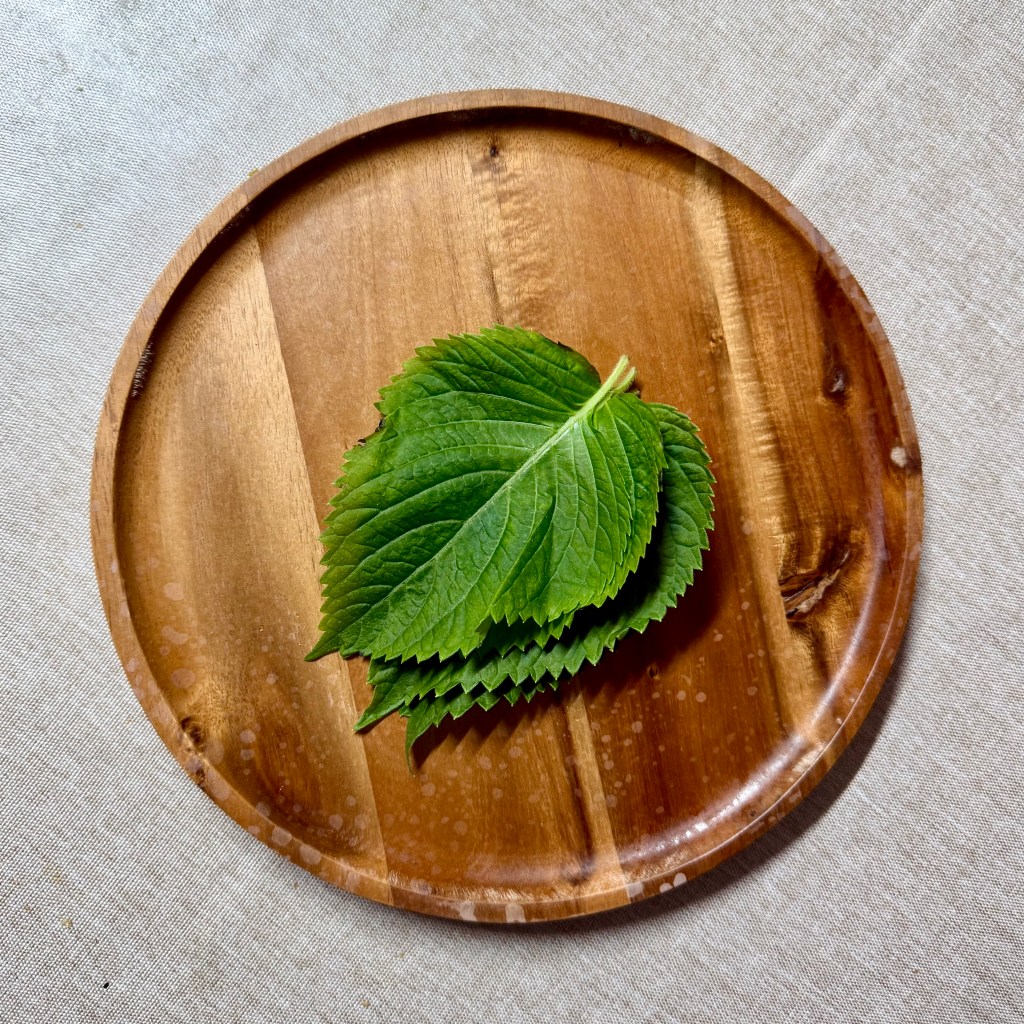
The leaves are the most recognizable part of the plant.
Perilla leaves have a strong herbal aroma that many people describe as a mix of mint, basil, and green herbs, with a slightly nutty undertone.
In Korean meals they are commonly used:
- as ssam (wraps for rice or grilled food)
- pickled in soy sauce
- seasoned as a simple side dish (namul)
- sliced thinly as a fresh garnish
Unlike many leafy vegetables, perilla leaves are often eaten raw or lightly seasoned so their fragrance remains intact.
👉 See dishes using perilla leaves → Perilla Leaf Recipes
Perilla Seeds (Deulkkae)
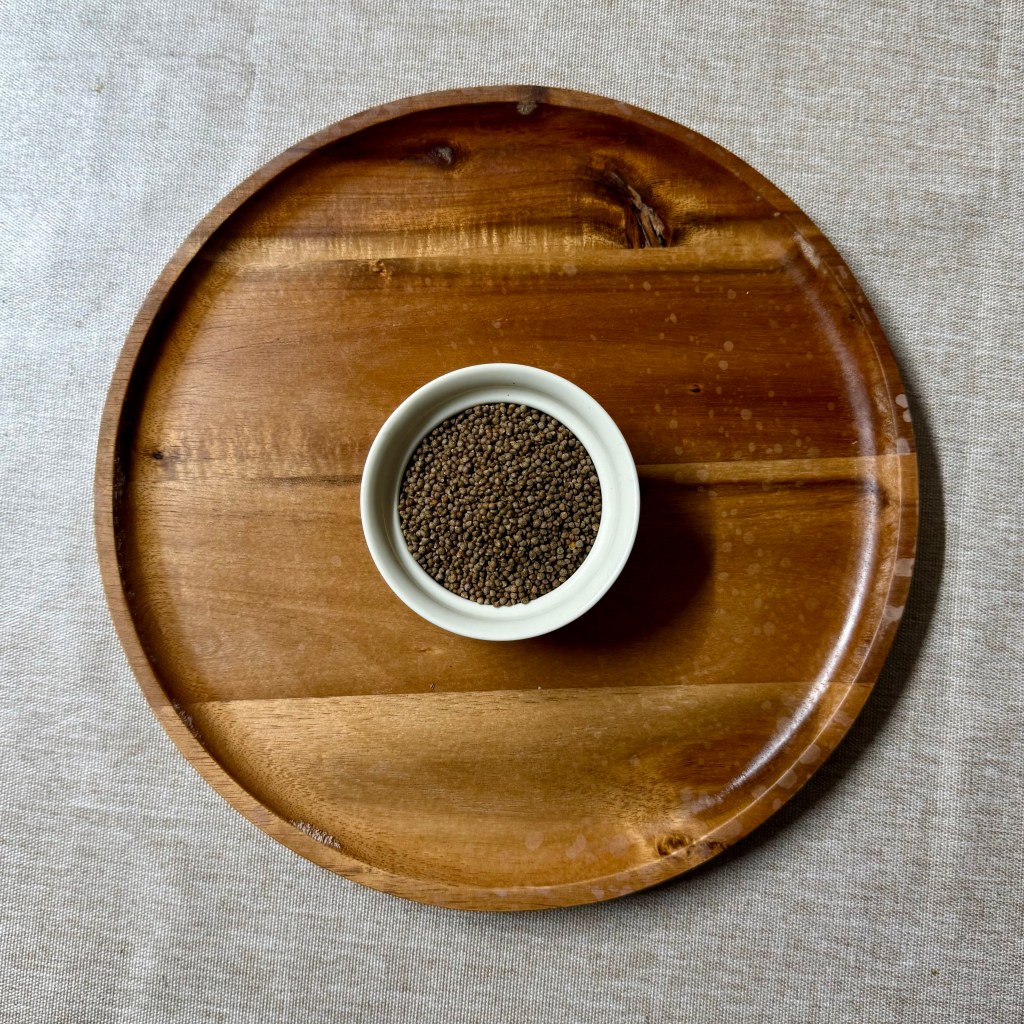
The seeds of the plant are called deulkkae (들깨).
These small seeds have a rich, nutty flavor and are frequently ground into powder before cooking.
Ground perilla seeds are used to:
- thicken soups and stews
- season wild vegetable dishes
- add a creamy texture to broths
One well-known example is deulkkae soup, where ground seeds create a naturally creamy broth without dairy.
👉 Learn more → Perilla Seed Recipes
Perilla Oil (Deulgireum)
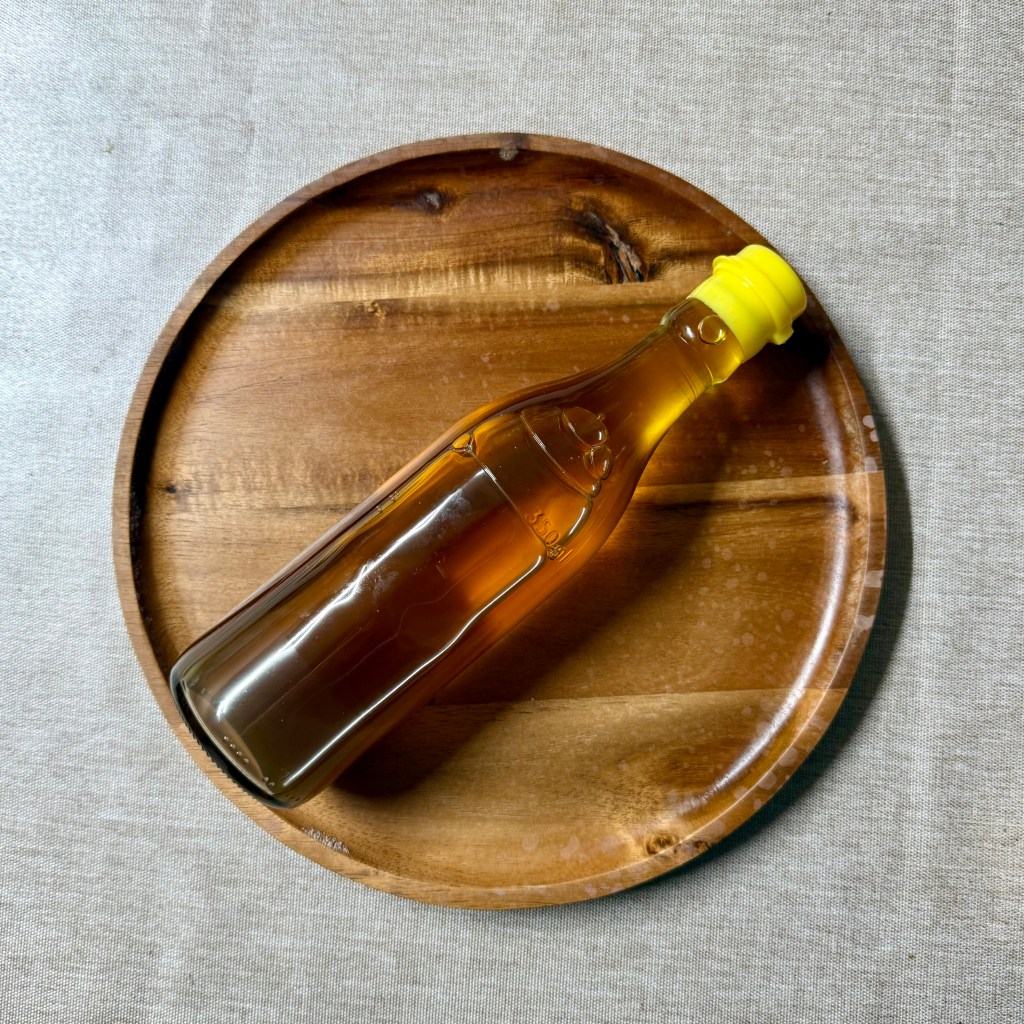
Perilla seeds are also pressed to produce perilla oil, one of the most important oils in Korean cuisine.
Compared to sesame oil, perilla oil has a deeper and earthier nutty flavor.
It is often used to:
- season namul (seasoned vegetable dishes)
- finish rice dishes
- lightly sauté mushrooms or greens
In many traditional recipes, even a small amount of perilla oil defines the overall aroma of the dish.
👉 See recipes using perilla oil → Perilla Oil Recipes
A Plant Used from Leaf to Seed
Perilla is unusual because the entire plant is used in Korean cooking.
- the leaf adds fresh herbal aroma
- the seed provides richness and body
- the oil delivers deep nutty flavor
This reflects a broader tradition in Korean cuisine: using ingredients fully and respectfully, often in multiple forms across different dishes.
Understanding perilla is also a good way to understand how Korean food builds flavor through simple ingredients.
Related Korean Ingredients
If you are exploring Korean vegetables and herbs, you might also enjoy learning about:
- What is Dallae? Korean Wild Chive Explained
- What is Minari? Korean Water Dropwort
- What is Gosari? Korean Fernbrake
 Wild Greens Kitchen
Leave a comment