What is Aehobak? Korean Summer Squash (애호박)
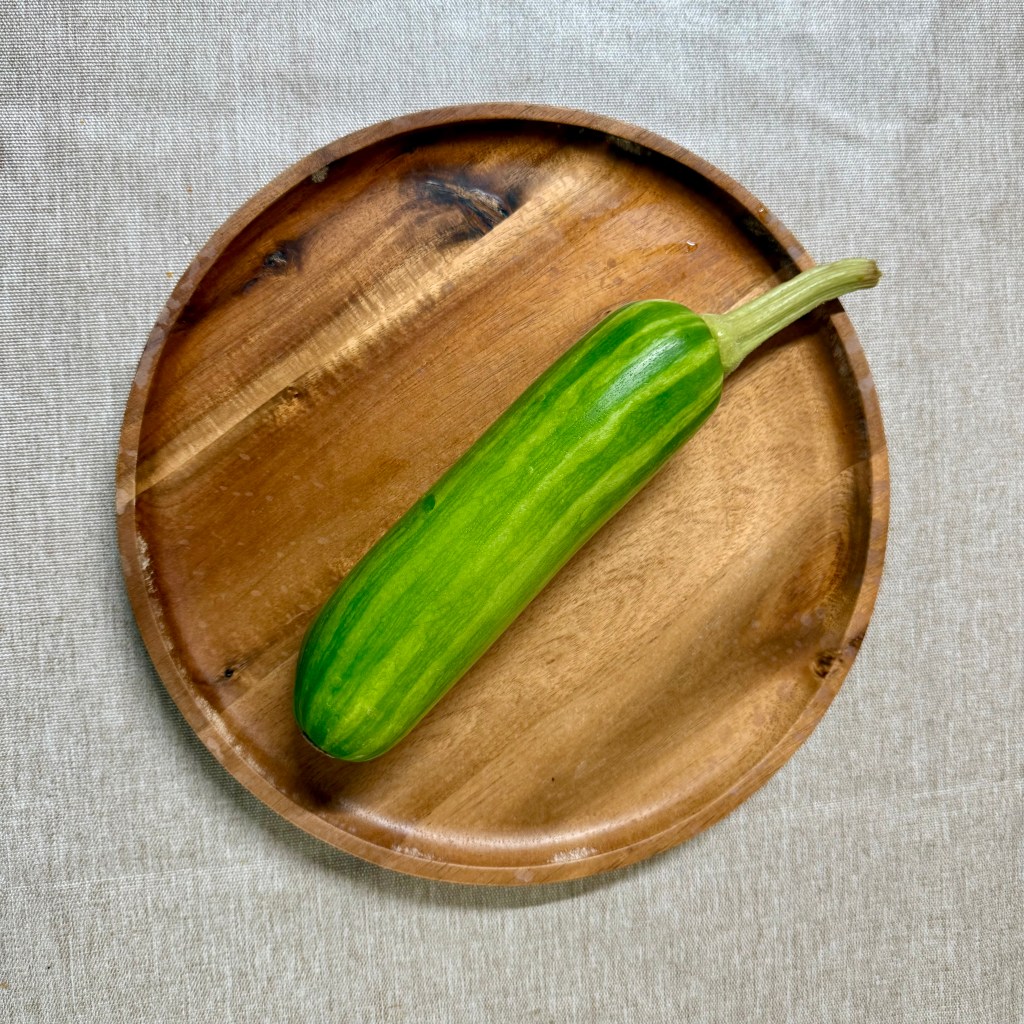
Aehobak (애호박) is a tender Korean summer squash commonly used in everyday home cooking.
Although it is often translated as zucchini, aehobak is slightly different.
It has softer flesh, thinner skin, and a mild sweetness that becomes more noticeable when cooked.
In Korean kitchens, aehobak rarely appears as the star of a dish.
Instead, it quietly supports the meal — appearing in soups, pancakes, stews, and simple vegetable dishes.
Its flavor is gentle, clean, and comforting.
Texture and Flavor
When lightly cooked, aehobak becomes soft and silky while still holding its shape.
The flavor is:
- mild
- slightly sweet
- fresh and vegetal
Because of this, Korean cooking usually keeps the seasoning simple.
Ingredients That Pair Well With Aehobak (애호박과 잘 어울리는 재료)
Because aehobak (애호박) has a delicate flavor, it is often paired with ingredients that add depth without overpowering the vegetable.
One of the most traditional pairings is salted shrimp (saeujeot, 새우젓).
A small spoon of saeujeot gives the squash a subtle seafood umami that enhances its natural sweetness.
This combination appears in many everyday Korean dishes, especially in soups and quick vegetable dishes.
Other ingredients that pair well with aehobak include:
- garlic
- sesame oil
- tofu
- chili flakes (gochugaru, 고추가루)
These ingredients are usually used lightly so the natural character of the squash remains the focus.
Aehobak vs Zucchini
Although aehobak (애호박) is often translated as zucchini, the two are not exactly the same.
They are closely related summer squashes, but they behave differently in cooking.
Aehobak
- softer flesh
- thinner skin
- slightly sweeter flavor
- releases more moisture when cooked
- becomes tender very quickly
Zucchini
- firmer texture
- thicker skin
- more neutral flavor
- holds its shape longer when sautéed or grilled
Because of its softness, aehobak works especially well in soups, stews, and gentle vegetable dishes.
Zucchini is often better suited for grilling, roasting, or pasta-style dishes, where a firmer texture is preferred.
Can You Substitute Zucchini for Aehobak?
Yes, zucchini can be used as a substitute for aehobak in many dishes.
However, because zucchini is firmer and less sweet, the final texture may be slightly different.
When cooking zucchini as a substitute, it is often helpful to cook it a little longer so it softens more like aehobak.
How It Is Often Eaten
Aehobak dishes are usually served simply:
- with rice
- alongside other vegetable dishes
- sometimes with tofu or soup
In Korean cooking, aehobak is valued not for intensity, but for the quiet sweetness it brings to everyday meals.
 Wild Greens Kitchen
Leave a comment